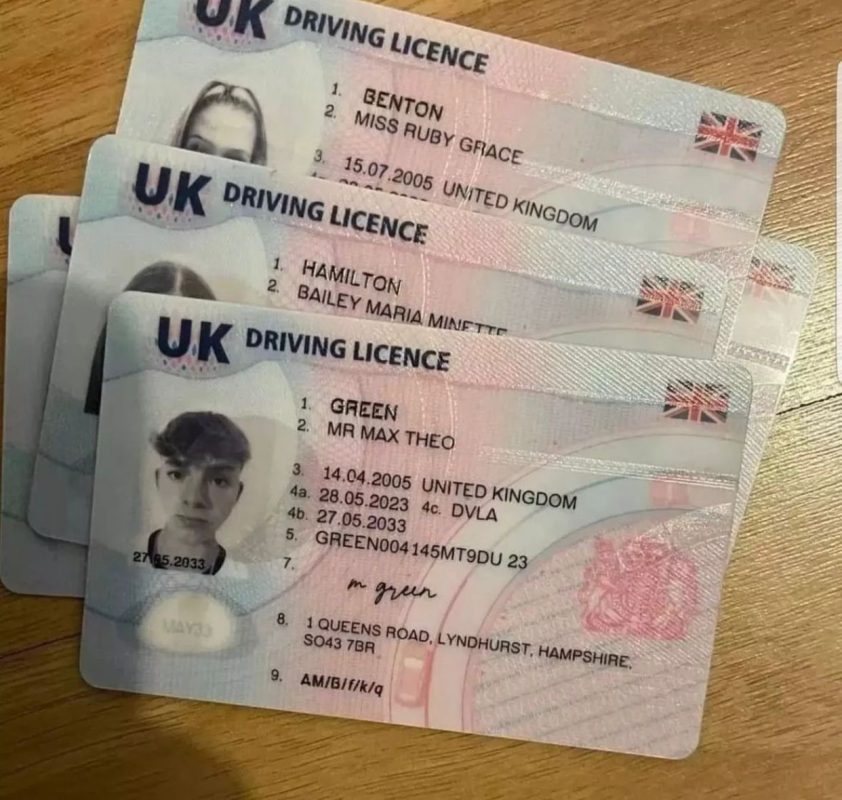
Understanding the UK Driving Licence: Your Comprehensive Guide
Getting a driving licence in the United Kingdom is a vital step for numerous individuals, enabling them the liberty to drive separately. However, the procedure of obtaining a UK licence can be intricate, incorporating various stages that require comprehending both the legal requirements and the practicalities included. This article aims to offer a helpful overview of the UK driving licence system, including the application procedure, kinds of licences, and typical questions that prospective drivers may have.
Types of UK Driving Licences
Drivers in the UK need to understand the different kinds of driving licences offered. Each type serves a specific purpose and goes through different guidelines. Here are the main classifications:
Provisional Licence
- This is the initial step in the driving licence process. A provisionary licence enables people to practice driving under specific conditions and is generally made an application for at age 17.
Complete Driving Licence
- Once a driver has actually passed both the theory and useful driving tests, they can look for a complete driving licence, which allows them to drive without supervision.
Unique Licences
- These include licences for bigger vehicles (like buses and trucks), bikes, and more. Requirements can differ considerably depending on the lorry class.
European Union (EU) Licences
- EU residents can drive in the UK with their existing national driving licences, but they may require to exchange their licence if they are remaining in the UK for a prolonged period.
International Driving Permit (IDP)
- Non-UK residents may require an IDP to drive lawfully in Britain. This permit should be obtained from their home nation.
The Application Process for a Provisional Licence
Obtaining a provisional driving licence is the very first action towards driving in the UK. Here's how individuals can apply:
Eligibility
- Applicants must be at least 17 years old.
- They should be a citizen of Great Britain and satisfy eyesight requirements.
Application
- Applications can be submitted online or by means of post. The application includes submitting a D1 type available at the Driver and Vehicle Licensing Agency (DVLA) or many Post Office branches.
Files Required
- Evidence of identity (passport or birth certificate).
- A current passport-sized photograph.
- Payment for the application fee.
Waiting Period
- When submitted, the DVLA usually processes applications within 3 weeks, though this can differ.
Getting ready for the Driving Tests
To shift from a provisional to a full driving licence, people need to pass two important tests:
1. Theory Test
- Content
The theory test consists of a multiple-choice area focused on road indications, traffic laws, and safe driving strategies, followed by a hazard understanding test. - Preparation
Research study products and practice tests are extensively available, frequently offered by the DVLA or through various driving schools.
2. Dry run
- Structure
The useful driving test assesses the candidate's driving skills and understanding of road security. It includes manoeuvres, emergency situation stops, and observation skills throughout a real driving session. - Booking
Prospects need to book their dry run online once they feel positive in their driving abilities. Availability may differ, so early reservation is recommended.
What to Expect After Passing Both Tests
As soon as the tests are passed, the person is released a complete driving licence. Below are the essential features of a full UK driving licence:
- Validity
A complete driving licence is generally valid for a duration of 10 years, after which it should be restored. - Points System
The UK utilizes a points-based system for driving offenses. Building up 12 points on your licence within three years can result in a disqualification from driving. - Classifications of Vehicles
The complete licence specifies the types of cars a driver is enabled to run, based on the categories passed during the tests.
Frequently asked questions about the UK Driving Licence
1. How buy licence does it cost to get a provisionary licence?
The expense for a provisionary driving licence application is currently around ₤ 34 if done online and ₤ 43 through a paper application. Fees can differ, so inspecting the DVLA site for the most present info is recommended.
2. Can I drive with a provisionary licence?
Yes, a provisional licence allows you to drive just when accompanied by a certified driver, who must be at least 21 years of ages. In addition, the monitoring driver must have held their full driving licence for at least 3 years.
3. For how long does it take to get a complete driving licence after passing the tests?
As soon as the dry run is passed, candidates generally receive their full driving licence within three weeks. Nevertheless, it can sometimes take longer depending on processing times.
4. Do I need to take a theory test if I held a foreign driving licence?
It depends. Drivers with a legitimate EU licence can typically drive in the UK without taking a theory test. However, uk driving licence -EU citizens may need to pass the theory and dry runs to obtain a UK licence.
5. What should I do if I lose my driving licence?
If a driving licence is lost or taken, people ought to report it to the DVLA right away. They can then look for a replacement licence online or through post, for which there is a fee.
Navigating the UK driving licence system requires patience and understanding of the numerous stages included. From requesting a provisional licence to passing driving tests and getting a complete licence, each step plays a critical role in ensuring that drivers are well-prepared for life on the road. By acquainting themselves with the process and resolving any questions, prospective drivers can approach obtaining their UK driving licence with confidence.